Posts

Famous for your mistakes
Image
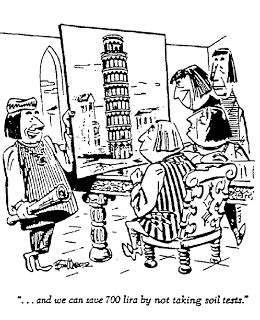
We all have heard about the leaning tower of Pisa , mostly known for its unintended tilt. I had the opportunity to visit the tower some years back and was actually surprised by the surrounding site around the tower, the Cathedral, the Baptistry, and the Monumental Cemetery. In my eyes these parts of the " Piazza dei Miracoli " were much more astonishing in beauty than the tower of Pisa, but I have never heard about these parts in Pisa. Having my "tester" hat on, I soon realized that I only had heard about the most famous mistake in construction history, and that the town was mostly known for this mistake, overshadowing the beauty of rest of the site. A quick overview of construction of the tower Construction of the tower occurred in three stages over 199 years, starting in 1173. The tower began to sink after construction had progressed to the second floor in 1178. This was due to a mere three-meter foundation, set in weak, unstable subsoil, a design that was fl...

Using browser dev tools to improve testing

Image
One of the first questions that I usually hear from testers, when talking to other testers is "Which tools do you use <to do something>?". During our local meetups here in Norway, conferences or larger gatherings, or even at work between teams, this questions seems to be quite central and important to many testers, judging by how many times I have heard it. Some tools could improve and broaden your "testing-repertoire" but even though one should not be too dependent on a given tool or be tool-centric, this toolbox can be quite useful, and I seldom hear that someone mentions it when talking about tools used for testing. The toolbox that I'm aiming at here is the Developer Tools toolbox that are bundled with all major browsers. I usually mostly use Chrome, so that is why I will, very shortly, present how and why I use the tools in the Chrome Dev Tools, but you'll find either all or most of the features/functionality in other browsers as wel...

Shifting left, shifting right - where to shift next? - part 3

Image
So where to shift now that testers are part of reviewing the business cases, participate in creation of user stories and backlog grooming, have the ability to use monitoring in different environments, and everything in between, meaning participate in different parts of the software development and delivery life cycle? Well, I think that we could benefit a lot from trying to look at where we generate mistakes. If we sum up the development life cycle, regardless of how often you release, or whether you follow a  waterfall, agile, or devops approach, it all starts with some ideas, business cases, requirements on a higher level, before going into the process of refining the requirements, developing, testing and releasing the changes to the end-users. We previously shifted left and right trying to mitigate and correct issues that occur along the way in the process, without looking into where these mistakes originated. All of the ideas or requirements start in someones mind, with all...

Shifting left, shifting right - where to shift next? - part 2

2010 - a full year in, "if testers are not involved early, we do not want to be involved later" After being employed full-time for a year or so, we finally completed a full circle of releases, both the major releases involving a full scaled up beta/pilot program, and some minor releases, as this was taking place on a yearly basis. After each ended project, a small group of people from different teams formed a retrospective team, to go over what was done good and what could be done better next time, for all projects individually but also as a whole. This was before any agile methodologies were introduced. During the retrospective, or post-mortem analysis I think it was called at the time, we from the test team argued that we were not involved early enough and that we ended testing specifications that were well out of date due to our late involvement. This was taken into consideration and that from next phase we were to be included in all start up meetings, and walkthroughs...

Shifting left, shifting right - where to shift next? - part 1

Today it is almost unthinkable, with the teams that I work with every day (read - in my context), that some team members inside a software delivery team are not involved in almost every phase of the software development life cycle. Looking back some years ago it was certainly not like that, specially for testers. In this, and the coming posts I will share some of my experiences and thoughts on this subject as well as what I believe where we should shift in the future;  left, right, or even more left, and right... 2007 - The first experiences, part-time tester, waterfall I started to work with software testing in 2007, as many of us in the field, by chance as a part time tester. At this point the company that I worked for did not have any full time dedicated testers, only a team of part time testers who rotated, and worked at least 2 days a week. The team consisted of students studying economics or computer science at master level, who could work at any time of the day/night, ...

Thinking fast and slow in Software Testing

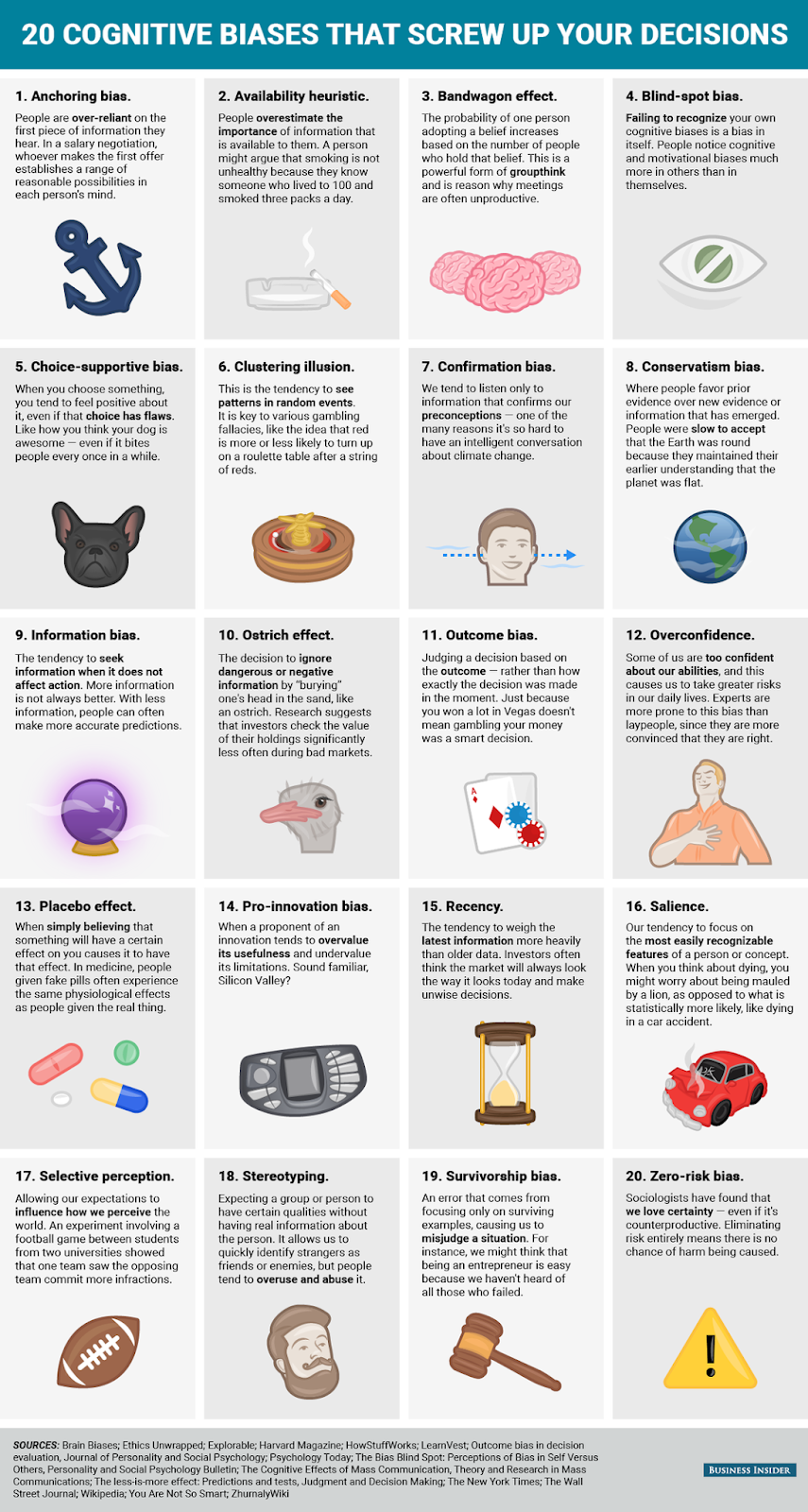
Some time ago I read the book "Thinking Fast and Slow" by professor and Nobel prize winner, Daniel Kahneman, which is about the biases in our intuition, that we assume certain things automatically, in an instant, without having thought through them carefully. In many situations it is perfectly fine to act instinctively, but in others we should activate rest of the mind. In this blog post I will try to relate some of the topics that he touches upon in his book, to our field of software testing and development. My initial idea was that I would fit most of the topics into this blog post, but upon revisiting the book, I feel that there are way too many topics of interest covered in his book, and by going into all of them, this blog post would most likely result in another book, rather than a blog post. So I will only cover some of the topics. If you have not read his book, find it and set aside some time to read it. Read it fast and slow, it is truly an amazing book with a...

How do I stay "up to date" on software testing related stuff?

Image
"Up to date" can probably be debated as development in our field change quite fast, and what was ground braking yesterday, fast becomes old news today. I try to read as much as possible, and this usually vary from week to week, day to day due to other obligations, but I squeeze in some hours each week. This is mostly done on the evening, on the way to and back from work, and at work when I have 5-10 minutes until a meeting starts, and I can not start on anything new, I spend that time picking up a blog post or two, and traversing through it. There is a set of blogs I follow, these are mostly from other practitioners in the field software testing / development. All of them are organized in different folders in Feedly , which I use to aggregate the blog posts, news, and other information. Here is a screenshot of the structure that I have. Testing folder contain most feeds from about 50-ish sources, and I have separated some of the blogs into AutTesting (Automated Test...